Automotive link fuses manufacturer and distributor
Discover our selection of automotive link fuses
Automotive link fuse: What is it?
Automotive link fuses are designed to protect circuits against dangerous overloads and short circuit currents and are commonly found in the automotive industry. They feature a unique design with a flat, rectangular body that connects to a busbar or fuse holder via two metal tabs or terminals, which can be either male or female for versatile installation options. Link fuses are typically used in high-current circuits, making them suitable for safeguarding larger electrical systems.
Uses of automotive fuse links
The most common use of automotive link fuses is in the automotive industry, particularly in older models of cars and Japanese-made vehicles. Typically, these fuses are utilized for wire harness protection, safeguarding the electrical connections and circuits from overloads and short circuits.
Automotive fuse links: Terminals style
Automotive fuse links are available in two terminal styles: male and female.
Male Terminals
These terminals have protruding metal tabs that connect to female connectors or sockets. Male terminals are often used in applications where the fuse link is mounted directly onto a panel or busbar.
Female Terminals
These terminals feature receptacles that accept male terminal connectors. Female terminals are typically used in applications where the fuse link connects to wiring harnesses or other components with male connectors.
FAQs
What is a PAL style fuse?
A PAL (Plug-in Automotive Fuse) style fuse is another term for an automotive link fuse, widely used in automobiles to protect the wire harness from overloads and short circuits. These fuses play a crucial role in safeguarding vehicle electrical systems, ensuring the integrity of the wiring and preventing potential damage.
How do I know when a fusible link needs to be replaced?
OptiFuse automotive link fuses include indicating features, such as an LED that lights up when the fuse has blown and requires replacement, or they come with transparent covers, allowing you to visually inspect the fuse to determine if the link has melted or remains intact.
Can I use fusible links in extreme environments (high temperature, humidity, etc.)?
Many link fuses are suitable for use in applications with operating temperatures ranging from -40°C to +125°C. However, it is important to consult the datasheet to verify that the selected fuse meets the necessary temperature ratings, moisture resistance, and other environmental factors to ensure it fulfills the specific requirements of your application.
See Also
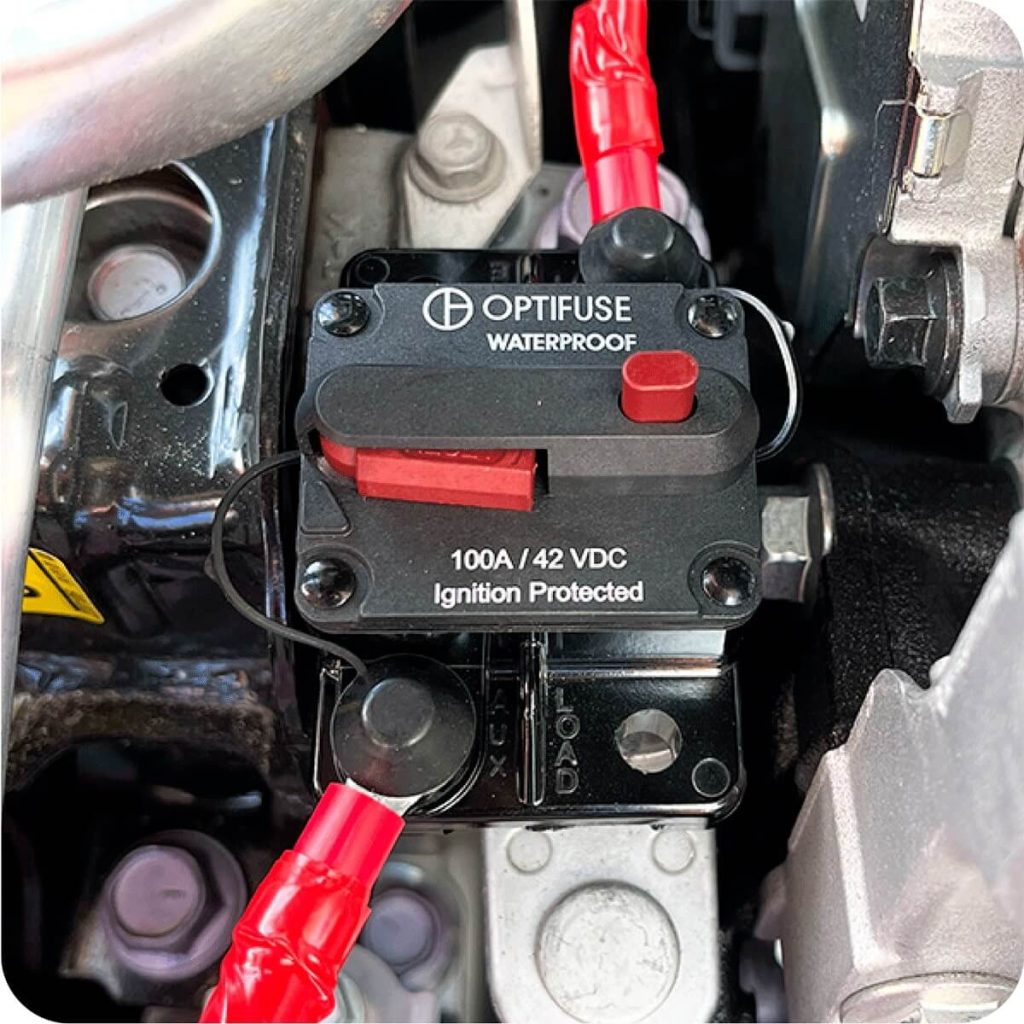
Circuit Breakers
A comprehensive range of automotive, marine grade and line voltage circuit breakers to protect applications where resettability is needed.
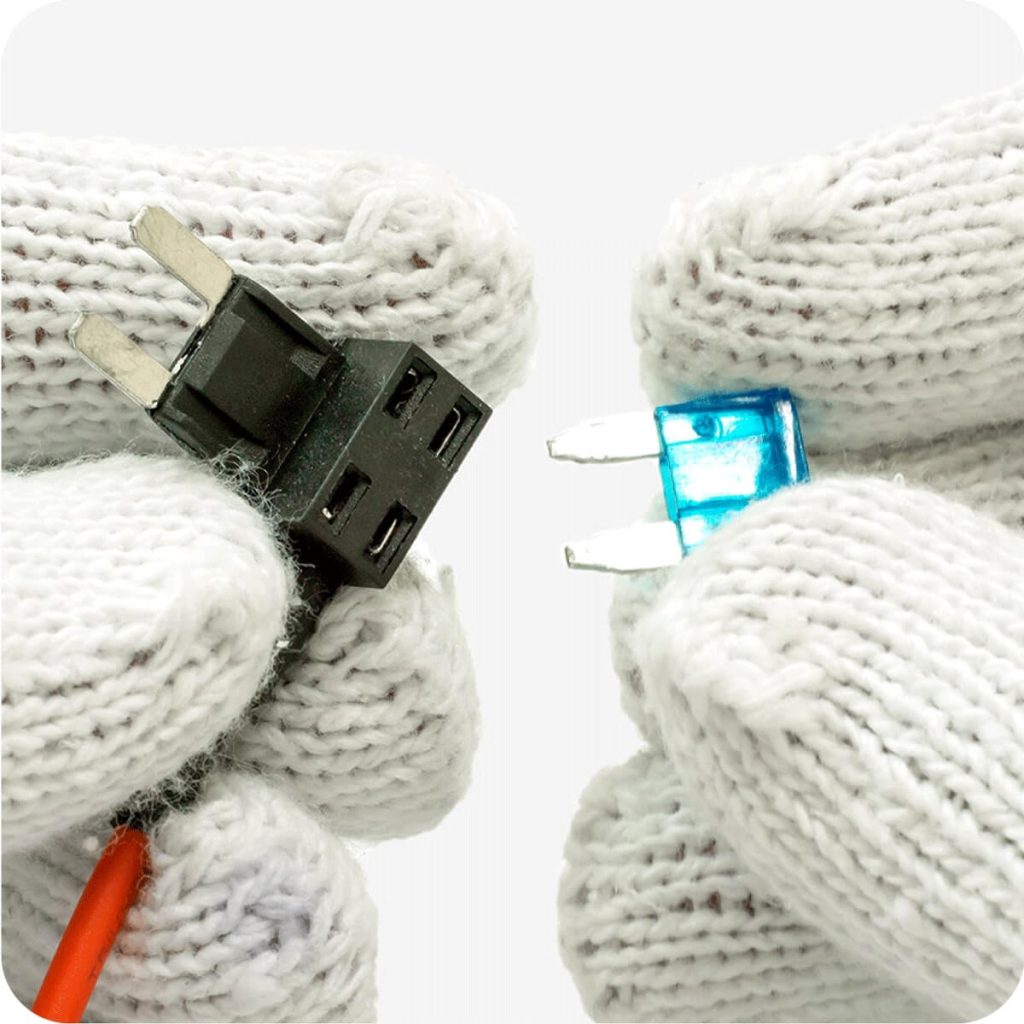
Fuse Holders, Blocks and Accessories
Installing circuit protection is easy with our wide variety of customizable fuse holders, sturdy fuse blocks, and compact fuse clips.